Programmes
Programmes of the Initiative
The Initiative's work is organised in four programmes. Arabic and Islamic cultural heritage is the main focus; the Arabic language, sovereign and secure AI, and education serve it. Each programme has a stated aim, a first output that others can check and a measure of progress, and all four are bound by the same guardrails.
The four programmes
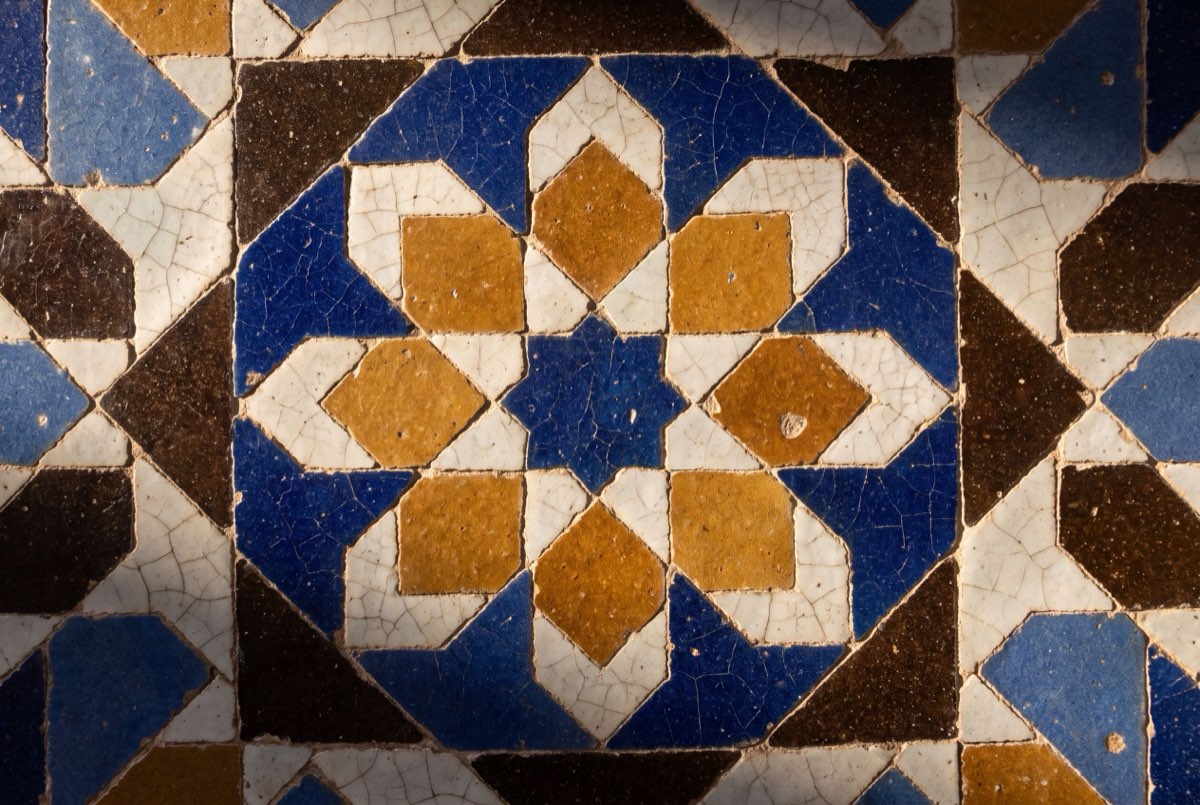
A Arabic and Islamic Cultural Heritage
The main focus: manuscripts and the written word, built heritage, arts and crafts, music and oral tradition, and the history of science, with every object linked back to those who keep it.
For researchers, libraries, archives, museums and heritage bodies.
In progress
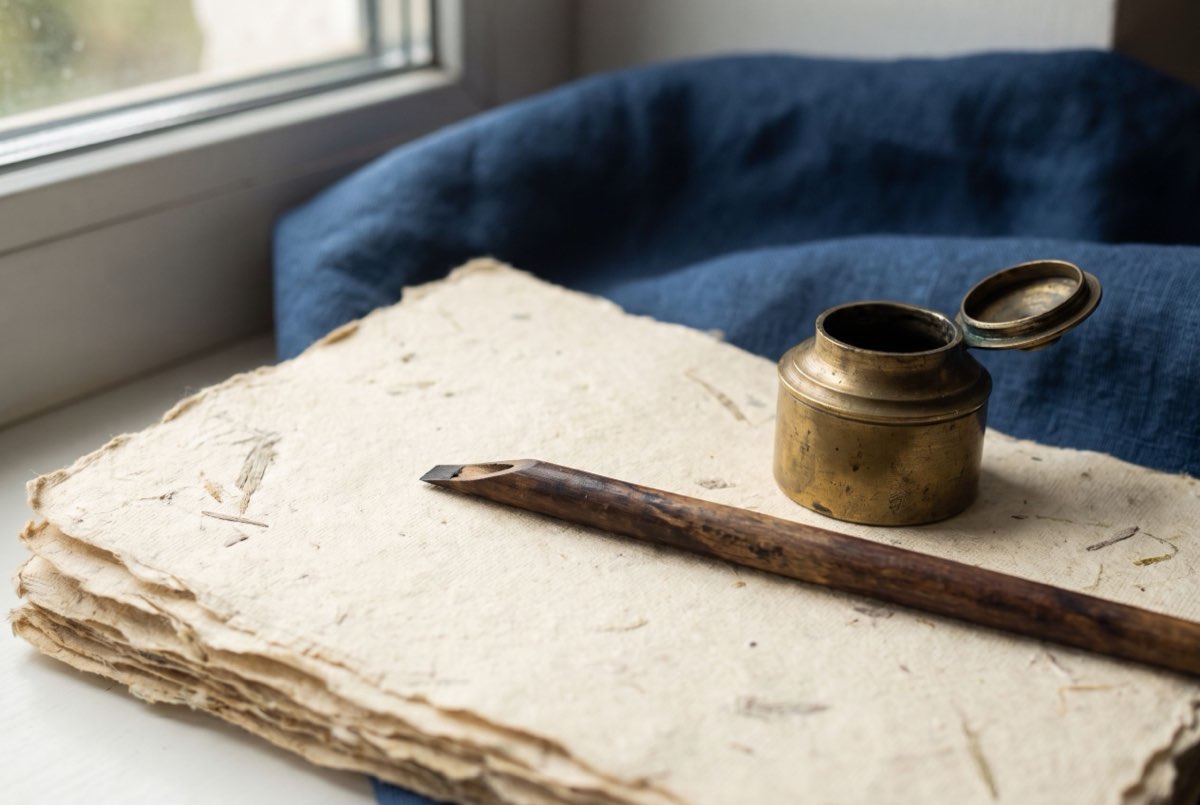
B Arabic Language and AI
The quality of Arabic in AI systems, beginning with the Citation Fidelity Standard, an open test of whether AI quotes its sources faithfully.
For developers of Arabic language models, linguists and researchers.
In progress

C Sovereign and Secure AI
Information security for the systems that keep heritage and knowledge: protection against tampering, disclosure of where models run, and decisions left with each institution.
For heritage institutions, universities, public bodies and funders.
Planned from 2027
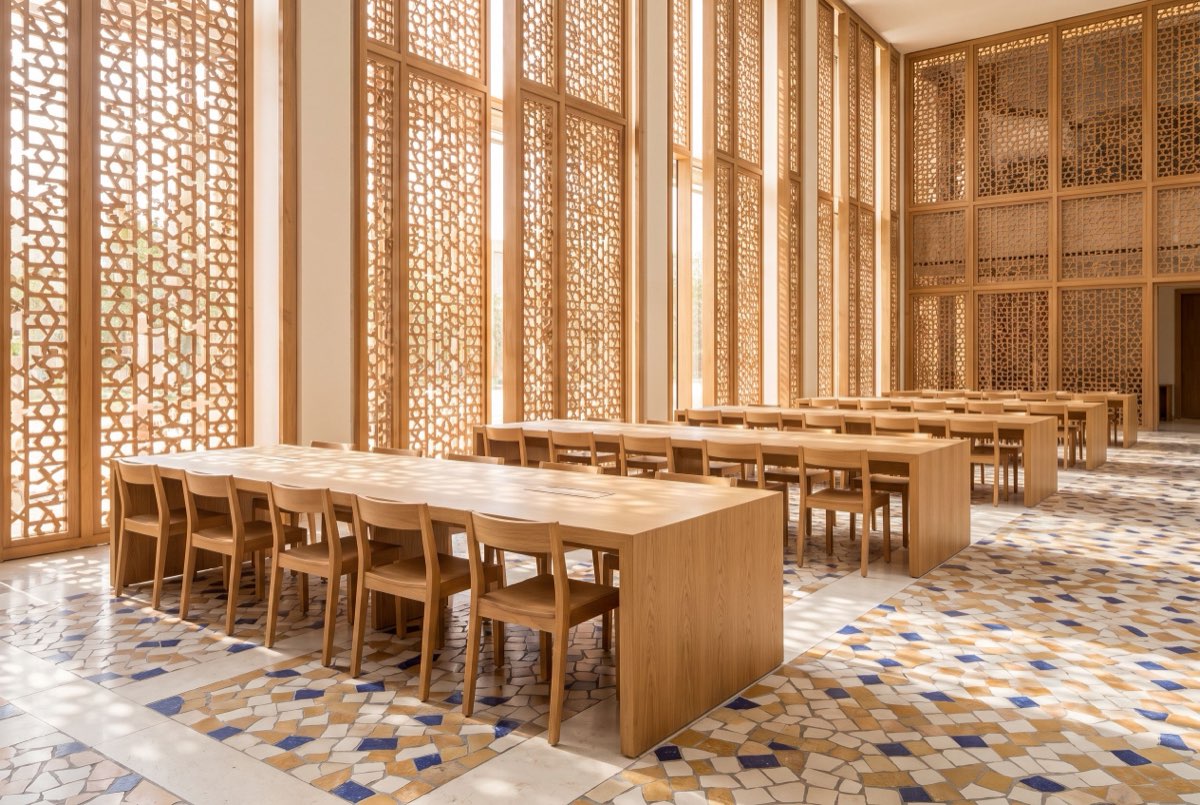
D Education and the Next Generation
The Charter, methods and open materials for universities, schools and young researchers in heritage, Arabic and computer science.
For universities, schools, students and early-career researchers.
Planned from 2027
Why cultural heritage comes first
Arabic and Islamic cultural heritage is what the Initiative exists for: its manuscripts and buildings, its arts and crafts, its music and oral traditions, and its sciences. The other three programmes serve this aim. Heritage is carried in Arabic, so AI systems must handle the language faithfully. It is increasingly kept in digital systems, so those systems must be secure and remain under the control of those who keep it. And it stays alive only if a new generation learns to study it.
The first verifiable work lies in two places: the written heritage, where manuscript records can be linked back to their holding institutions, and the Citation Fidelity Standard, which checks whether an AI system quotes its sources faithfully. Research on Arabic language models names the misattribution of quotations as a central problem, for example in the work on Fanar-Sadiq and in the IslamicEval 2025 shared task. The Standard is meant to complement existing work, such as the open corpora published by OpenITI, not to compete with it.
What all four programmes share
- A quotation is shown with its source, edition and location, and with the method by which it was verified.
- Records and names are never merged silently; every link states its method and its level of confidence.
- Digitised manuscripts and other images of heritage objects stay with the institutions that hold them. We link back to them and keep no copies.
- Illustrations made with AI are marked as such and are never presented as historical objects.
- Nothing is published before people with philological expertise have reviewed it.
- No fatwas, no religious rulings, no theological assessment, no ranking of schools of law and no verdicts on hadith; neutrality between states.